Unique Skylight Ideas: Creative Approaches to Elevate Your Living Space Design
Innovative skylight designs provide a unique opportunity to enhance interior spaces. By incorporating distinctive shapes and multi-panel options, homeowners can significantly transform the atmosphere of their living spaces. Such elements essential guide not only fulfill decorative roles but also enhance energy performance and practicality. Appreciating the powerful benefits of skylights can help direct thoughtful selections. Yet, the question remains: how can one select the perfect skylight to harmonize with their personal style and home design?
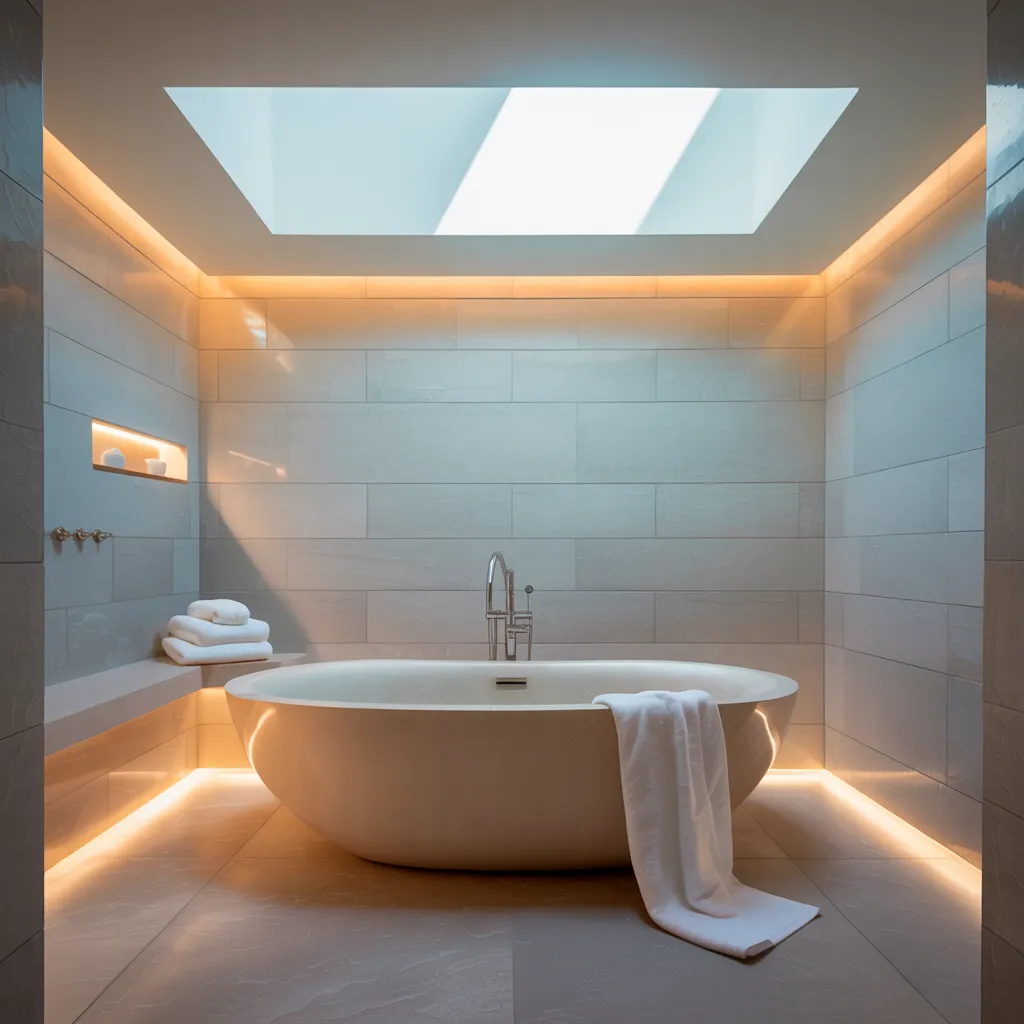
Transformative Benefits of Skylights in Interior Design
Even though various aspects influence interior design, skylights remain notable for their significant impact. They act as an essential provider of natural light, enhancing the overall ambiance of a space. By saturating rooms with abundant sunlight, skylights can cause spaces to appear more expansive and welcoming, creating a sense of openness that artificial lighting often fails to achieve. Additionally, the incorporation of natural light has demonstrated benefits for mood and productivity, rendering skylights an outstanding option for residential and commercial environments alike.
Moreover, skylights can minimize dependence on artificial lighting, bringing about significant energy efficiency and a diminished carbon footprint. Their placement can also emphasize architectural features, bringing a one-of-a-kind aesthetic appeal to the space. With various styles and sizes to choose from, skylights can be adjusted to suit different interior themes, making them a multifaceted option for boosting both functionality and beauty in any interior setting.
Unique Geometric Skylight Shapes to Consider
Unconventional geometric skylight forms can significantly improve indoor environments by introducing visual appeal and personality. Triangular skylight designs provide a contemporary feel, while circular designs introduce an element of elegance and flow. Each of these forms offers distinct ways to integrate natural light into diverse architectural designs.
Triangle-Shaped Skylight Designs
Triangular skylight configurations deliver a remarkable option beyond standard shapes, capturing attention with their geometric elegance. These distinctive skylights have the power to reshape any room, bringing a sense of contemporary style while optimizing the flow of natural light. Their pronounced geometry produces striking visual impact, making them a perfect fit for modern living spaces. Moreover, triangular configurations adapt effortlessly to a wide range of architectural styles, spanning minimalist to industrial influences. By allowing light to filter in from multiple directions, they improve the mood and spatial quality of an interior. Beyond that, the flexibility of triangular skylights allows for tailored designs, meeting diverse stylistic requirements. Ultimately, these creative configurations serve to improve interior styling while cultivating a more welcoming and light-filled space.
Round Skylight Choices
Circular skylight options present an elegant and harmonious choice for elevating interior settings. These unique geometric designs not only welcome abundant daylight but also create a stunning focal point. Found in multiple dimensions, circular skylights can complement effortlessly different architectural styles, from contemporary to classic. Their uniform design fosters a sense of equilibrium, making them an excellent choice for rooms that thrive with gentle lighting, such as lounges and sleeping quarters. Additionally, advanced glazing technologies guarantee energy efficiency while limiting energy dissipation. Customization options, including decorative frames and tinted glass, allow homeowners to customize their installations uniquely. Ultimately, circular skylights serve as a perfect blend of form and function, elevating both aesthetics and ambiance in any interior setting.
Multi-Panel Skylight Systems: A Sleek Modern Look
As homeowners look to combine natural light with modern design, multi-panel skylights stand out as a sophisticated solution. These architectural features consist of several adjoining panels, providing expansive views of the sky while optimizing daylight. Their modular design offers flexibility, making them suitable for various roof shapes and sizes, while elevating the overall aesthetic of both contemporary and traditional homes.
Multi-panel skylights have the ability to create striking visual lines and bring depth to interior spaces. Offered in numerous materials, such as acrylic and glass, they can be tailored to suit individual tastes. Moreover, the panel arrangement can be arranged to form one-of-a-kind geometric patterns, providing a captivating focal point in a living space.
Incorporating multiple skylight panels not only enhances the visual appeal of interiors but also nurtures a connection with the outdoors, elevating the residential experience. This transformative design feature is set to transform the concept of natural lighting in residential design.
How Installing Skylights Can Improve Energy Efficiency in Your Home
Although many homeowners focus on appearance when thinking about skylights, their energy-saving advantages are just as important. Skylights are capable of boosting natural light throughout a home, reducing reliance on artificial lighting during the day. This not only reduces electricity costs but also fosters a healthier living environment.
Moreover, current skylights typically offer energy-efficient glazing that decreases thermal loss in winter and controls overheating in summer. This advanced insulation delivers better temperature regulation, decreasing dependence on heating and cooling systems. Moreover, thoughtfully installed skylights can enable cross-ventilation, additionally improving a home's energy efficiency by enabling natural air circulation.
Ways to Connect Skylights With Smart Home Technology
Integrating skylights with smart home technology transforms the manner in which natural light and ventilation are regulated within a living space. Through the use of automated systems, homeowners can regulate skylight operations based on weather conditions or personal preferences. Smart sensors can detect sunlight intensity and adjust the skylight openings to enhance natural light while limiting heat absorption.
Furthermore, such systems can be configured to run on timed schedules, facilitating fresh airflow during certain hours of the day. Connection to home automation hubs enables wireless control via smartphones or voice commands, increasing user convenience. Moreover, energy-saving skylights featuring smart technology can send alerts for maintenance needs, promoting longevity and performance.
In the end, the combination of skylights and smart technology not only elevates comfort but also supports energy savings, empowering homeowners to experience the benefits of natural light without limiting management.
Helpful Tips for Selecting the Ideal Skylight for Your Home
Choosing the ideal skylight involves careful evaluation of numerous factors to optimize both performance and visual appeal. Property owners should begin by evaluating the function of the skylight, be it for daylighting, ventilation, or both. This decision affects the placement and type of the skylight.
Additionally, one must consider the dimensions; bigger skylights allow more natural light in but could need extra structural reinforcement. Energy efficiency is another critical aspect; selecting models with insulated glass helps reduce energy costs.
The surrounding climate is also an important consideration; durable materials are necessary for areas with extreme weather conditions. Furthermore, homeowners should evaluate shading options to control light and heat gain.
Additionally, expert installation is advised to guarantee adequate sealing and proper alignment, preventing leaks and maximizing performance. By strategically assessing these components, homeowners can identify skylights that meaningfully elevate their living environments.

Frequently Asked Questions
What Maintenance Is Required for Different Types of Skylights?
Distinct skylight designs call for specific maintenance approaches; fixed models need periodic cleaning, while operable skylights demand examination of seals and operational components. Consistent evaluation for water intrusion and removal of accumulated debris is vital to maintaining superior performance and durability.
Can Skylights Be Installed in Existing Homes?
Skylights are indeed a viable option for existing homes. Experienced specialists evaluate the structural soundness and roofing materials prior to installation, providing thorough sealing and insulation to eliminate leaks and boost energy performance, which significantly increases the amount of natural light in the home.
How Do Skylights Affect Indoor Temperature Regulation?
Skylights can markedly impact interior temperature control by allowing natural light to enter, which can provide warmth to rooms during cold seasons. That said, lacking adequate insulation and shading solutions, they might also result in overheating in warmer seasons.
What Safety Concerns Are Associated With Skylights?
Indeed, skylights come with safety concerns that include leaks, compromised structural integrity, and breakage hazards. Proper installation, regular maintenance, and using tempered or laminated glass can help mitigate these risks and enhance safety.
Which Materials Are Best for Skylight Frames?
Aluminum and vinyl are often considered the best materials for skylight frames due to their durability, low maintenance, and resistance to weathering. Wooden frames, although visually appealing, demand greater maintenance and are susceptible to rot.
Comments on “Why Rooflights Provide Natural Brightness”